Museums and Cultural Centers Across New Mexico
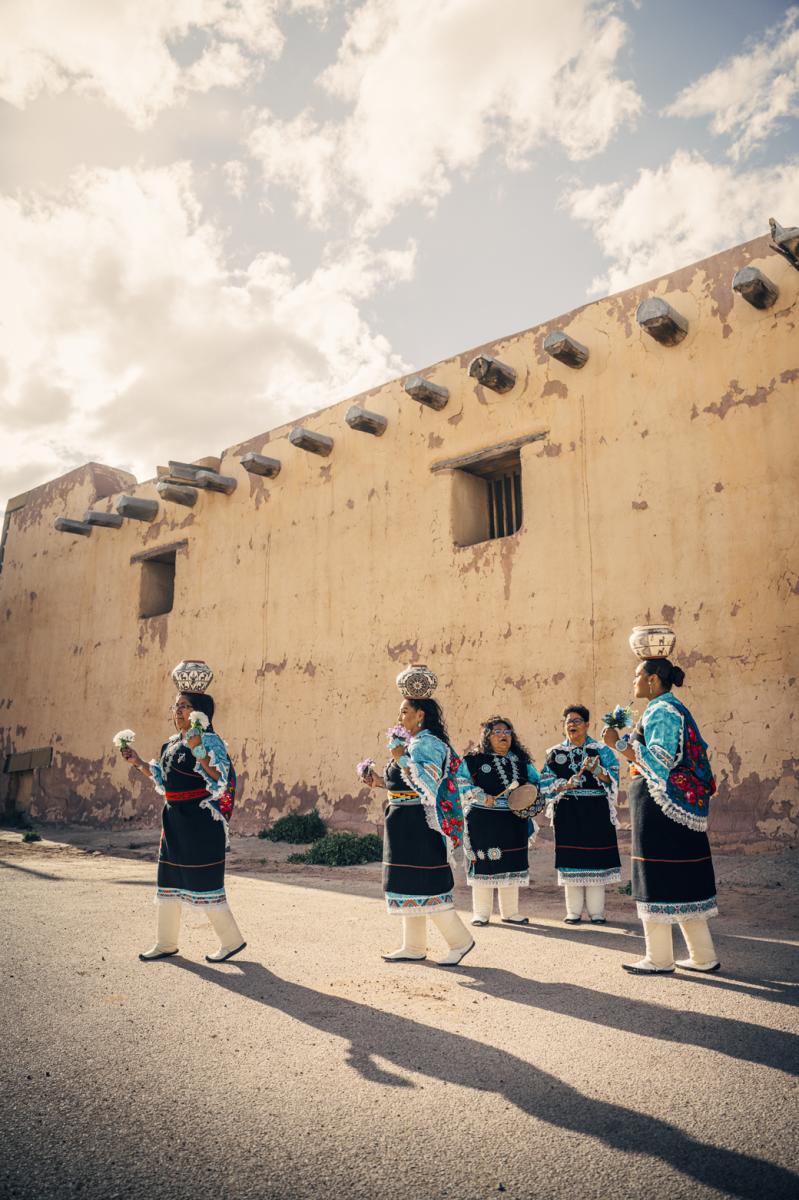
New Mexico is home to 23 federally recognized Tribes, Nations, and Pueblos, each with its own history, cultural traditions, and contemporary community life. Museums and cultural centers across the state offer opportunities to learn about Indigenous histories, artistic traditions, languages, and cultural practices through exhibitions, collections, and programs developed in collaboration with Native communities.

Albuquerque and the Indian Pueblo Cultural Center
In Albuquerque, the Indian Pueblo Cultural Center serves as a gathering place and educational resource founded by New Mexico's 19 Pueblo Tribes. Museum exhibitions, artist demonstrations, cultural programs, and weekly dances introduce visitors to Pueblo history and contemporary life through Native perspectives.
Santa Fe’s Museums of Native Art and Culture
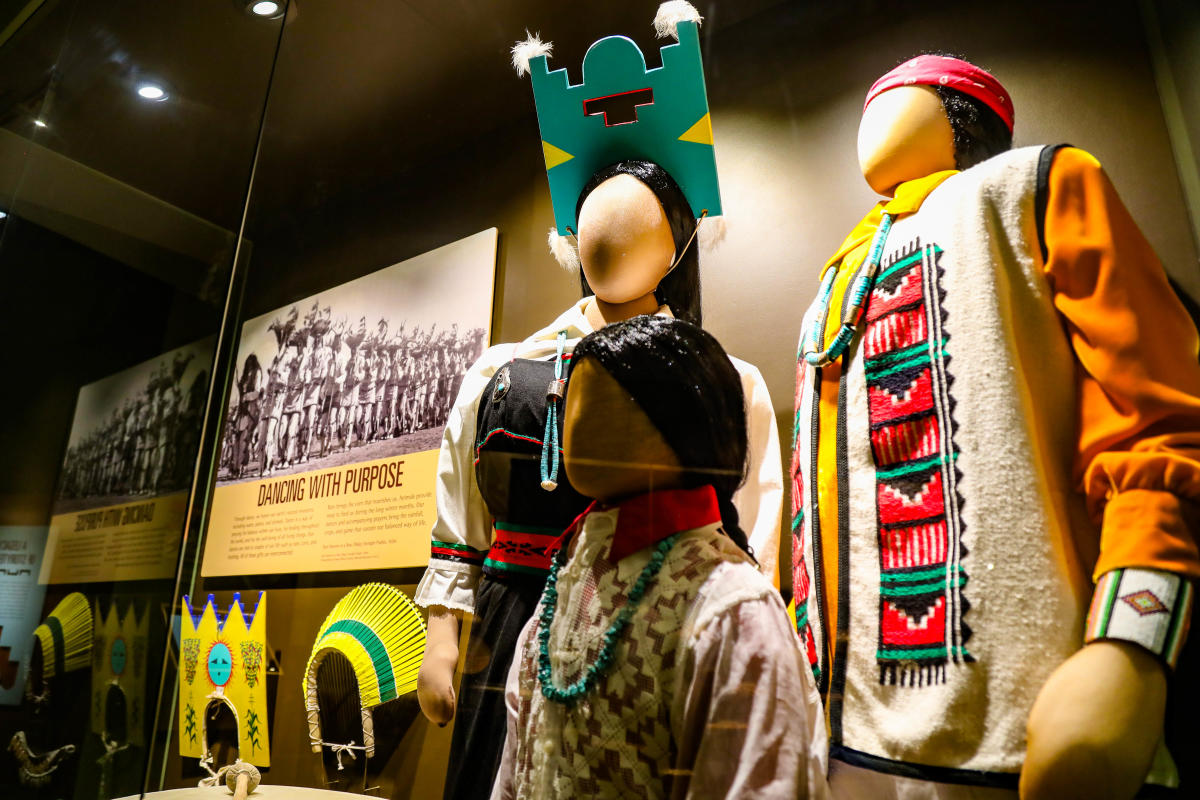
Santa Fe is home to several institutions focused on Native art and culture. The Museum of Indian Arts & Culture presents exhibitions drawn from one of the region's most significant collections of Indigenous material culture and history. The Wheelwright Museum of the American Indian is known for original exhibitions and its long-standing support of Native artists, while the IAIA Museum of Contemporary Native Arts (MoCNA) is dedicated exclusively to contemporary Indigenous art and is home to more than 9,500 works created from 1962 to the present.
Art, History, and Living Cultural Traditions
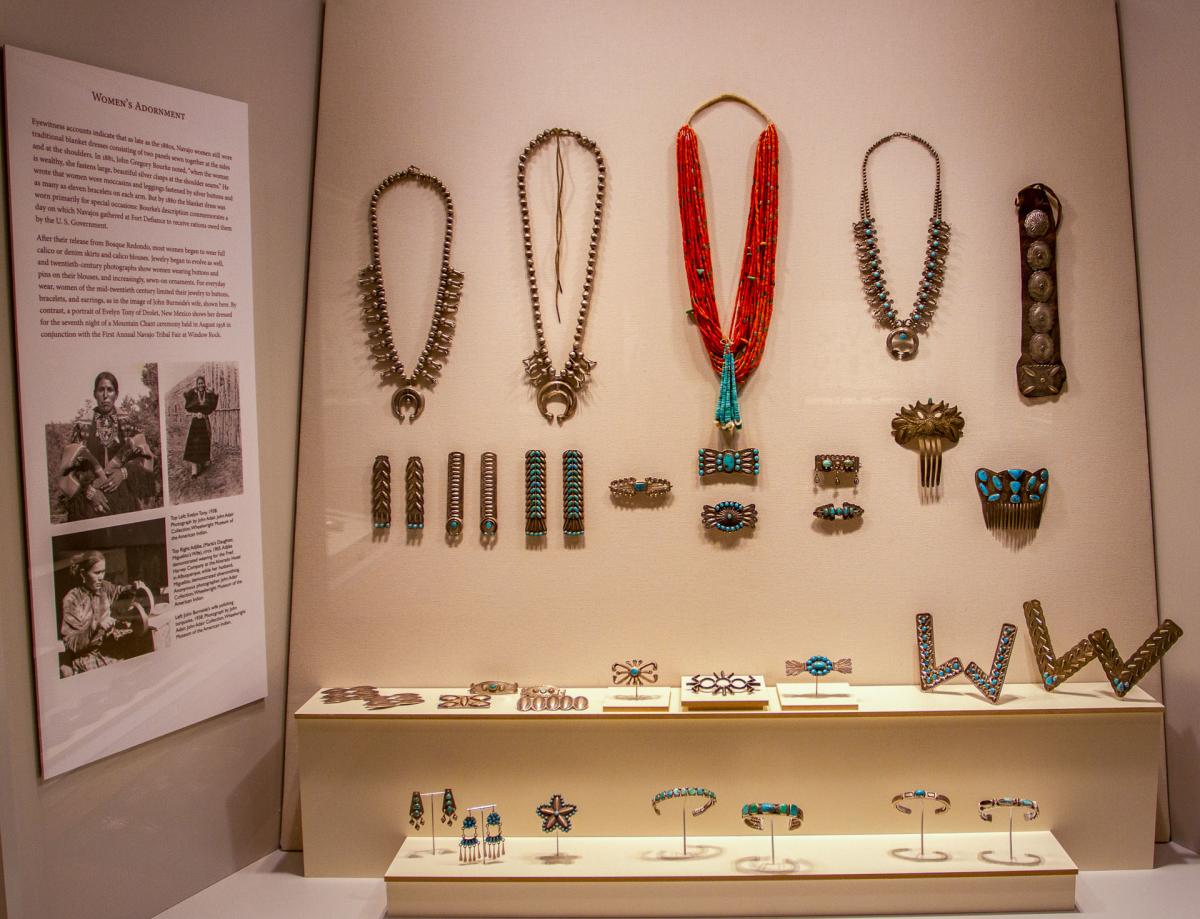
Many of New Mexico's Native museums organize exhibitions around themes that continue to shape Indigenous life today. At the Indian Pueblo Cultural Center, We Are of This Place: The Pueblo Story explores Pueblo history and resilience through Pueblo voices, while murals by artists from communities including Santa Clara, Zuni, Cochiti, Jemez, and Ohkay Owingeh depict the importance of seasons, dance, agriculture, harvest, and animals in Pueblo life.
At the Museum of Indian Arts & Culture, the landmark Here, Now and Always exhibition explores themes including Community and Home, Trade and Exchange, Language and Song, Arts, Survival, and Resilience through Native perspectives. Visitors encounter oral histories, community knowledge, historical collections, and contemporary artwork that highlight Native cultures as living, evolving communities rather than subjects confined to the past.
Planning a Cultural Visit
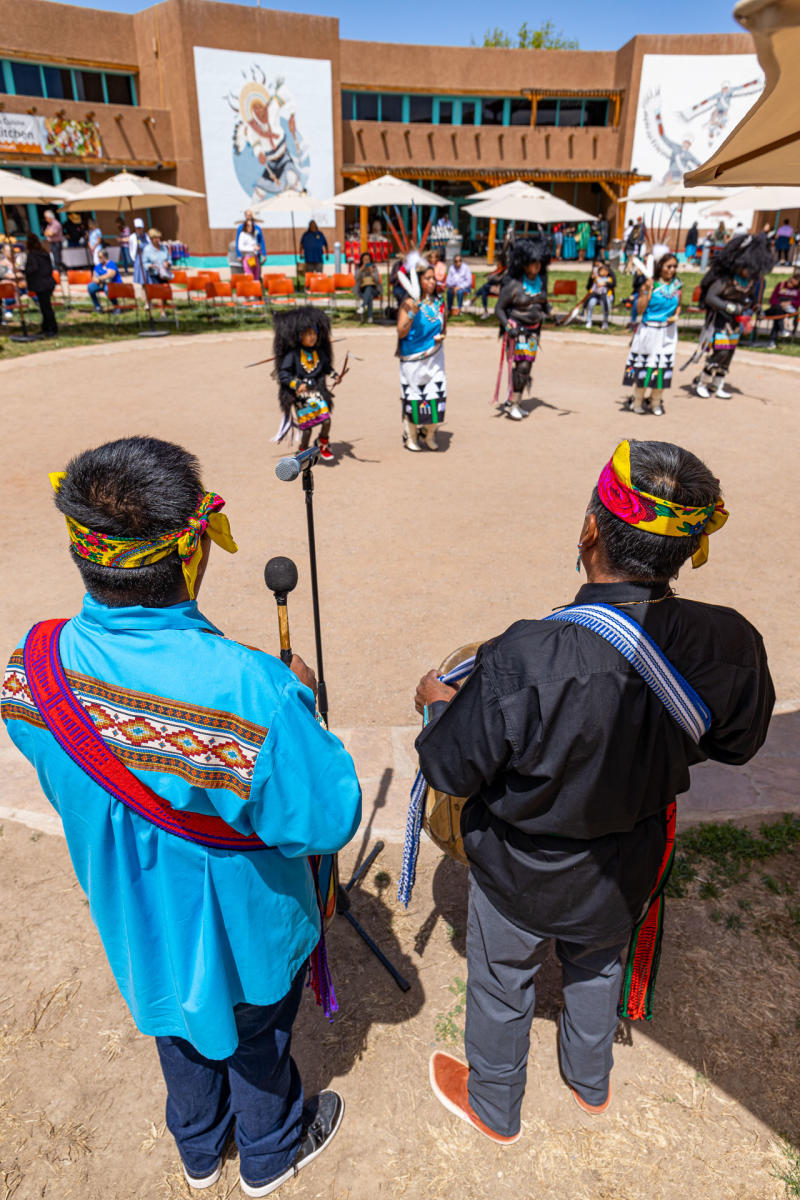
Grab some time in your Albuquerque and Santa Fe trip plans to visit one of the many Native-focused museums and cultural centers, and additional learning opportunities can be found throughout the state. Several Indigenous communities have tours available, as well as cultural sites, visitors centers, and experiential events, such as feast days.
When visiting Native communities and cultural sites, approach them with respect for guidelines, photography policies, and ceremonial practices. Access and visitation policies vary by location and time of year, so it is always a good idea to confirm current information before your visit.
Continue exploring New Mexico's Native cultures through museums, cultural centers, public programs, art markets, and community events across the state.