Rio Grande & Taos: New Mexico’s Whitewater Capital

When people talk about rafting the Rio Grande in New Mexico, the Taos Box almost always comes up, and for good reason. This 17-mile stretch is considered among the best whitewater runs in the country, with Class III and IV rapids surging through impressive cliffs and testing paddlers at every turn. The season peaks in late spring and early summer, when snowmelt transforms the river into a thrilling ride.

For those who prefer something gentler (but no less scenic), the Ute Mountain Run winds across a broad lava-rock plain. Though it closes from April through May, the calmer waters here make it an excellent introduction to rafting most of the year. Outfitters in the area guide trips, ensuring adventurers can choose between a heart-pounding whitewater challenge or a more relaxed float through New Mexico’s dramatic landscapes.


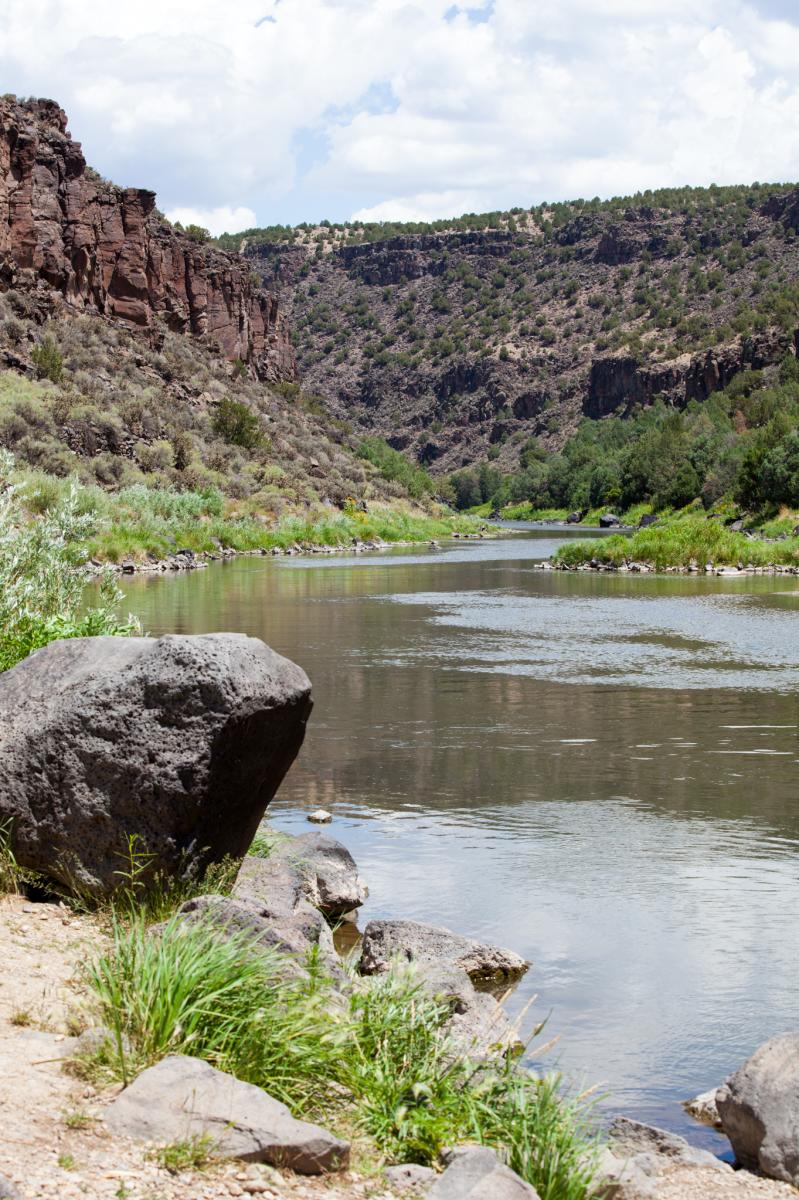
View of the Rio Grande flowing through a scenic canyon with rocky shores and lush greenery under a partly cloudy sky.

The Rio Chama: Canyon Wilderness

The Rio Chama is one of only two federally designated “Wild and Scenic Rivers” in New Mexico. Flowing north of Abiquiú, it winds through incredible sandstone cliffs and cottonwood groves. Overnight trips require a permit, but outfitters will handle the logistics. On the water, you’ll find calm stretches and Class II–III rapids, while at night, you can camp beneath some of the clearest skies in the Southwest.

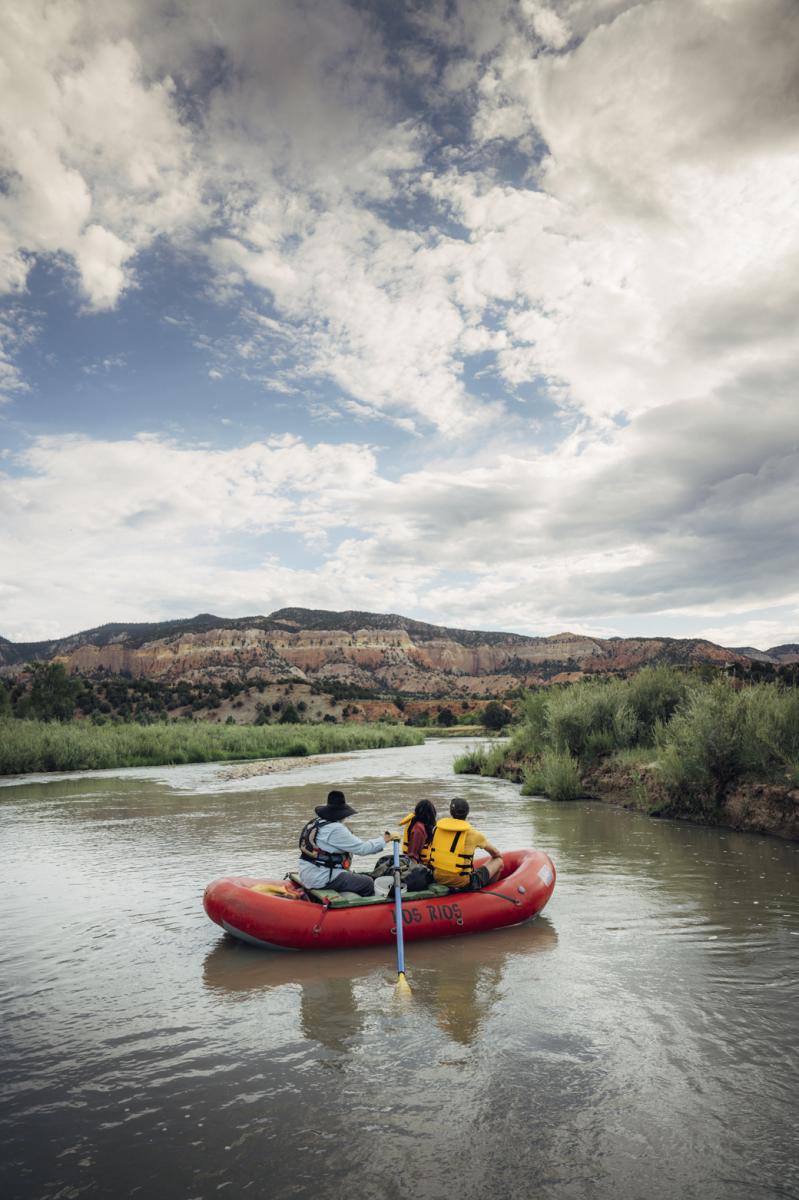
Three people rafting on a river with lush greenery and a scenic, rocky backdrop under a cloudy sky.

The San Juan & Animas Rivers

In the northwest, the San Juan River near Farmington is perfect if you’re looking for a calmer paddle with stunning views. Just next door, the Animas River is faster and more thrilling, featuring Class II–III rapids. Outfitters in Farmington run short afternoon floats and longer day trips, which makes these rivers easy to try even if you’re only in the area for a day.

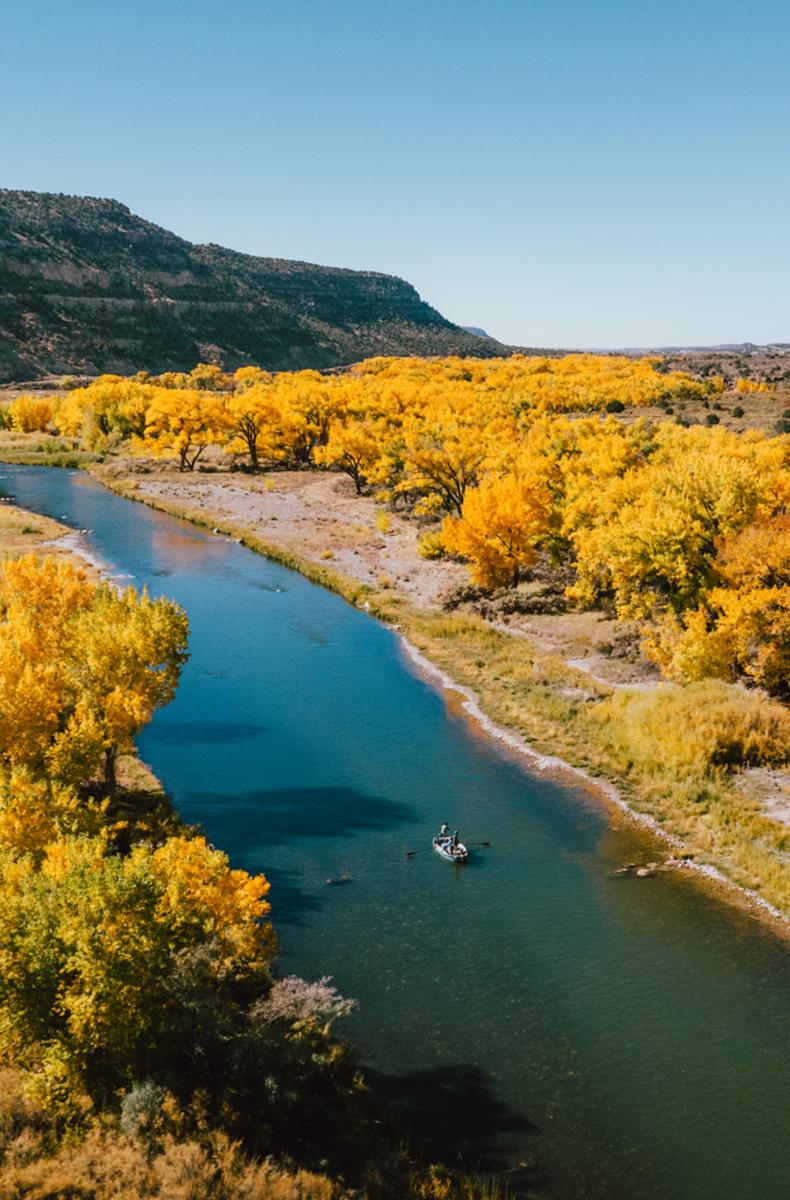
Aerial view of the Rio San Juan winding through a vibrant autumn landscape with trees in brilliant yellow hues. Two people are fishing from a small boat on the river.

The Gila River: Remote Beauty

The Gila River is remote and unpredictable. Because water levels depend entirely on snowmelt, the season here can be unpredictable. However, when the timing is right, there’s nothing like paddling or kayaking through its canyons. Narrow waterways, shifting currents, and long, quiet stretches make the Gila feel like a true wilderness expedition for all levels.

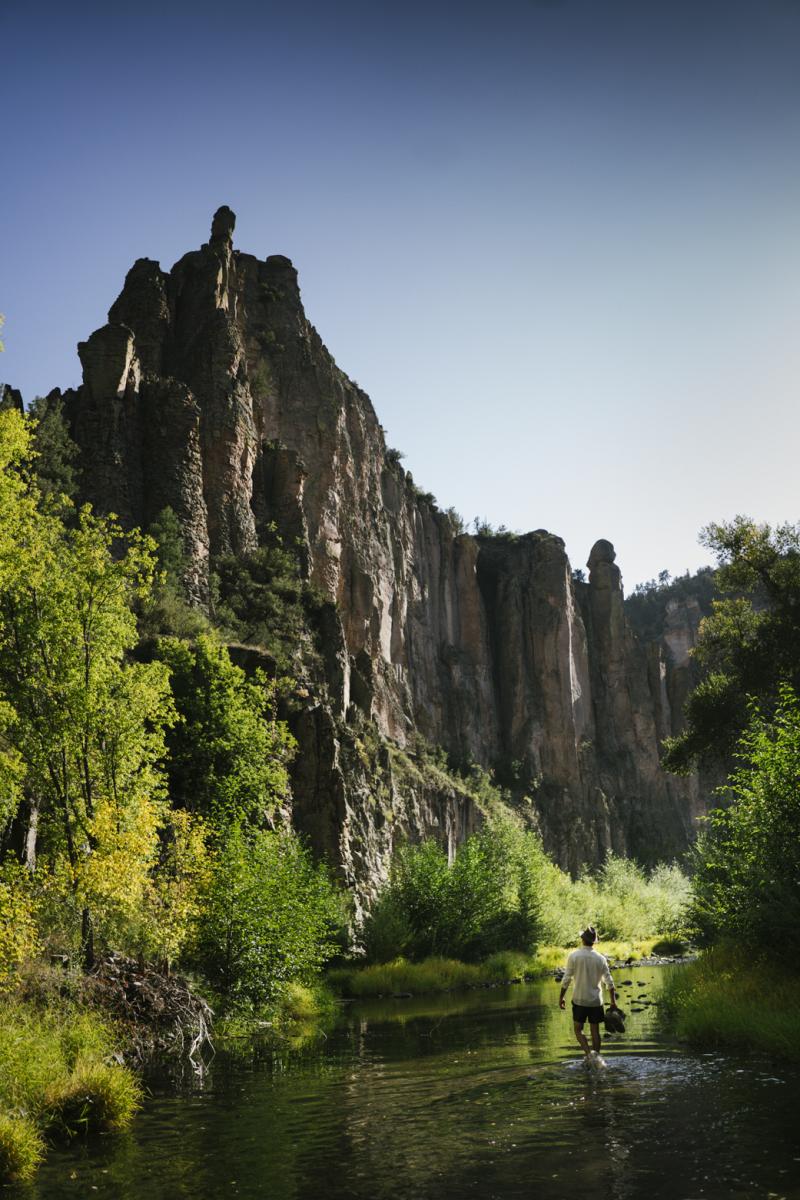
Person walking through a shallow river in the Gila Wilderness with tall, narrow rock formations and lush green trees under a clear sky.

New Mexico’s Lakes & Gentle Flows

For calmer water, the Rio Grande near Pilar has stretches where the current slows down substantially, making it an excellent spot for beginners or anyone looking to relax. 

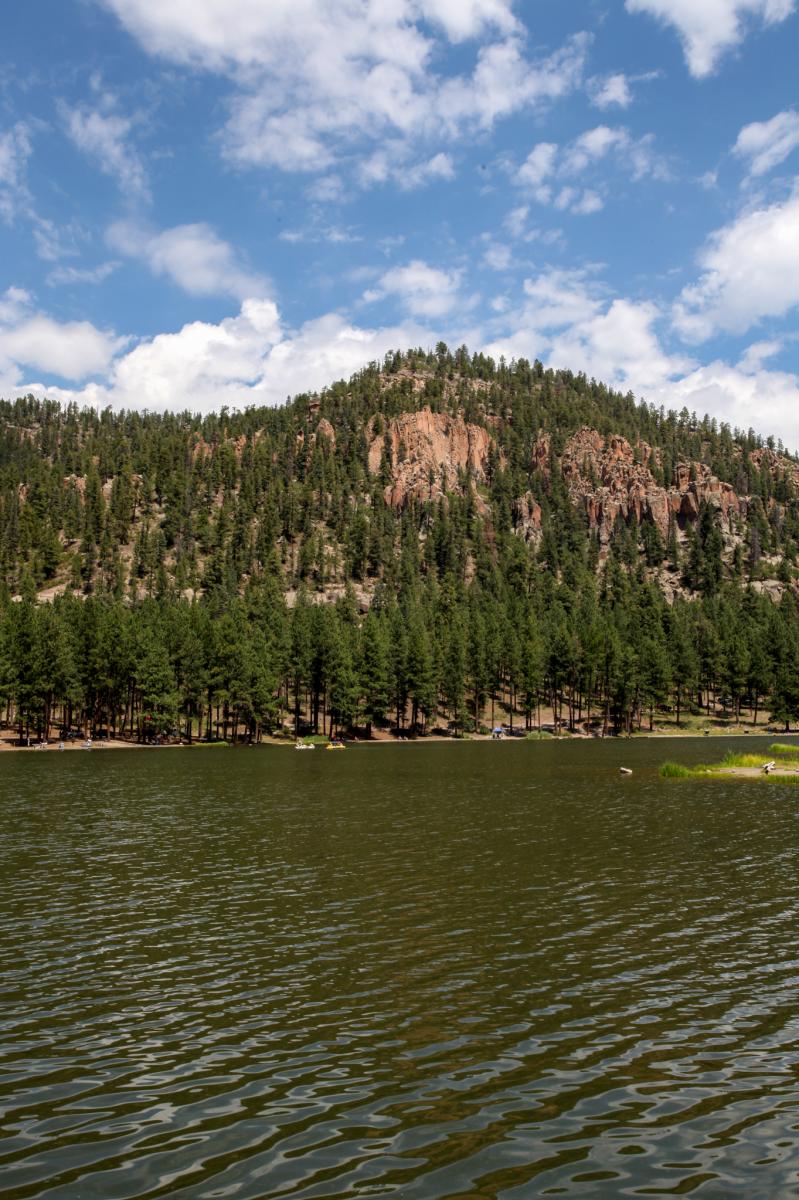
Another option is Orilla Verde Recreation Area, where the river winds through a canyon with quiet flows, small riffles, and plenty of wildlife along the banks. If you want to paddle in the mountains, Fenton Lake State Park in the Jemez is an easy place to bring a kayak or canoe and spend a day surrounded by hills.

View of a serene lake with ripples on the water, foregrounding a lush forest and a rocky hill under a cloudy blue sky.

More River Options in New Mexico

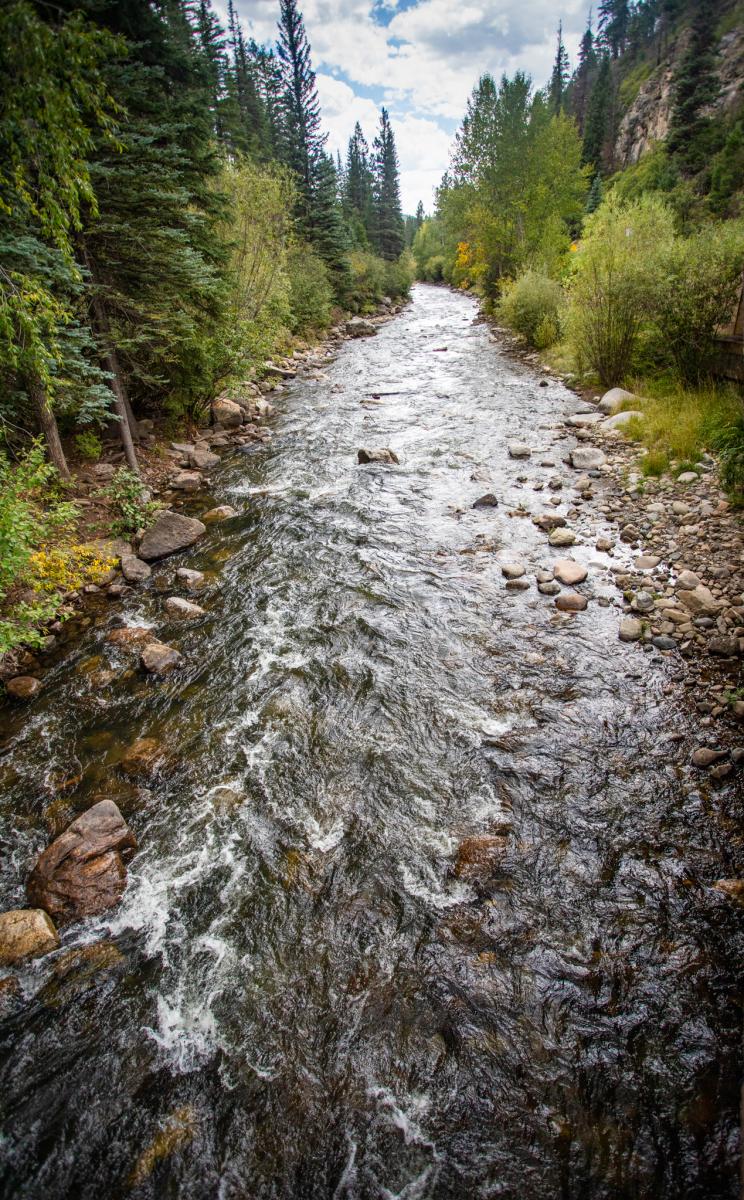
Smaller rivers also offer good paddling when conditions are right. The Pecos River near Santa Fe has stretches of calm water that are easy to reach from campgrounds along the river. The Canadian River runs through remote areas, providing some of the best open views you won’t find on other rivers in the state. The Cimarron River is best in spring when snowmelt swells its narrow channel through Cimarron Canyon State Park. The Mora River is smaller, and when it runs, you can paddle through hills and meadows.

A narrow river flowing through a wooded canyon, with rocks lining the shore and dense trees on the slopes.


Tips for Planning Your Trip

  • Know your skill level: Some stretches are calm, while others are technical whitewater. Local outfitters can point you to the right section for your experience.
  • Best seasons: Spring runoff in May and June bring the biggest rapids. By late summer and fall, flows are lower and better for easy paddling.
  • Logistics: Multi-day runs on the Rio Chama and Gila often require permits, but outfitters can take care of the details.
  • Stay safe: Always wear a life jacket, check river conditions, and use a guide if you’re new to rafting in New Mexico.

Rapid Classification 101

Whitewater rapids are ranked on an international scale from Class I to Class VI. If you’re planning to raft or kayak in New Mexico, here’s a quick overview:

  • Class I (Easy): Small waves and slow-moving current. Little to no risk; good for beginners and families.
  • Class II (Novice): Straightforward rapids with clear channels. Some maneuvering is needed, but still beginner friendly.
  • Class III (Intermediate): Moderate, irregular waves that can be challenging. Requires controlled paddling and some experience.
  • Class IV (Advanced): Powerful, intense rapids with large waves, sharp maneuvers, and technical passages. Best for skilled paddlers.
  • Class V and VI (Expert): Challenging rapids with dangerous drops and obstacles. Should only be attempted by elite athletes under ideal conditions.

From white water rafting on the Rio Grande to quiet kayaking on mountain lakes, every New Mexico waterway has its own personality. Start planning today and make a splash for yourself!