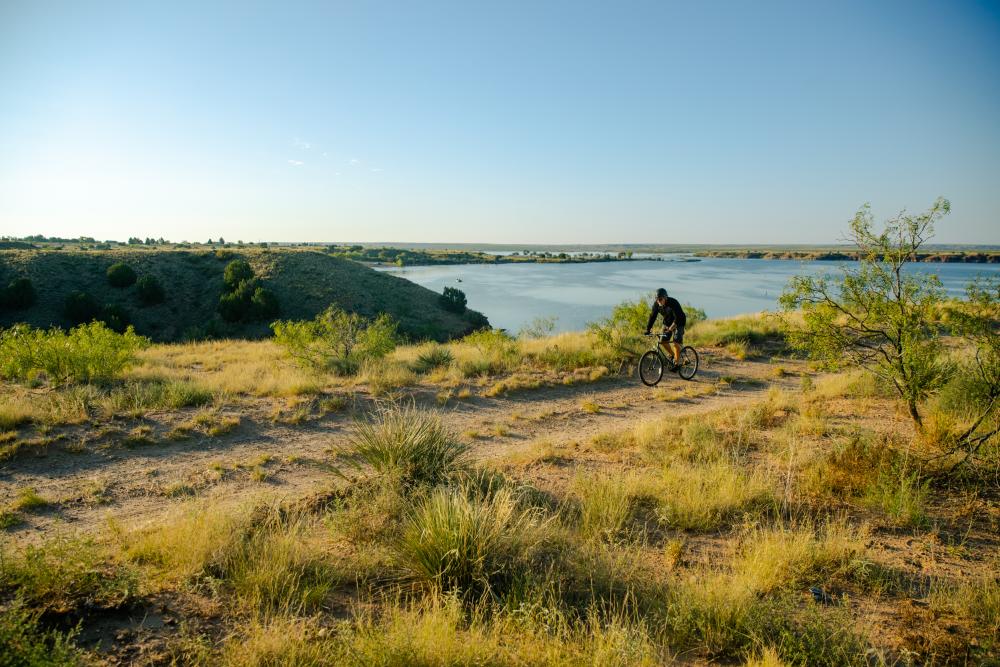
New Mexico’s 35 state parks offer unique thrills for adventurers of all stripes.
Toby Velásquez grew up in the Mora Valley, just a few miles from Morphy Lake State Park, where he loved to camp, fish, and hike with his family. “I remember cracking piñon nuts on the shoreline and just waiting for those fish to bite,” says Velásquez, director of New Mexico State Parks.
Even on the days when the fish weren’t biting, they had a great time. “The fresh air, the smell of the water, and friends and family and food,” he says. “That experience was something that drove me to want to be in the outdoors.”
The feeling of heading out with loved ones to spend a day or two in the New Mexico landscape is what Velásquez wants to share with the over 5 million people who come every year to visit the 35 state parks throughout the Land of Enchantment. Like the state’s diverse climate, the variety of park settings range from sweeping deserts and mountain retreats to lush forests and tranquil lakes.
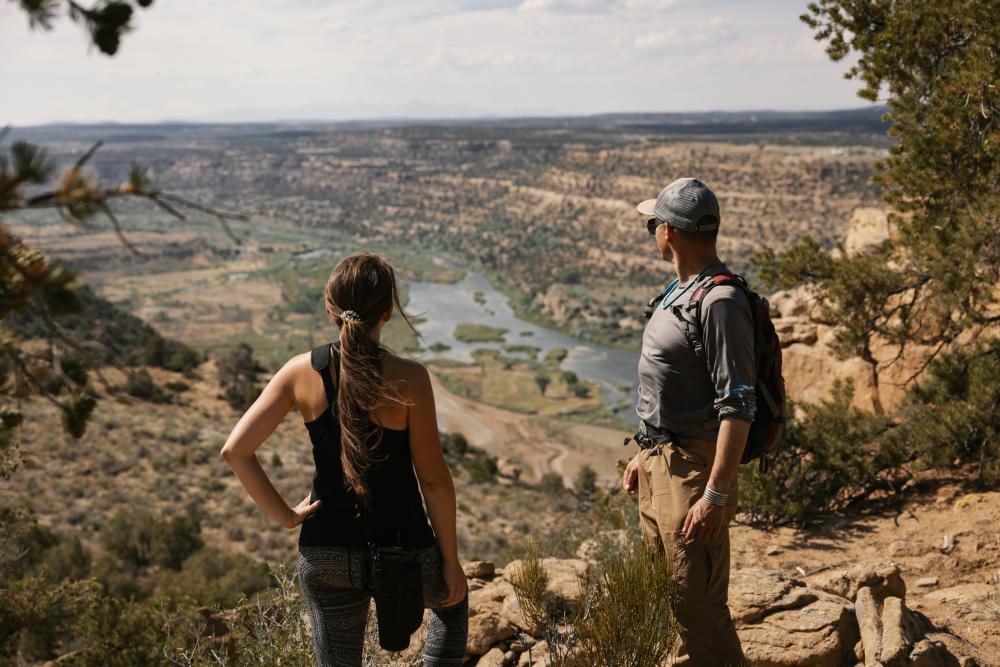
Similarly, the parks division is working to provide even more offerings to guests of all ages, abilities, and outdoor comfort levels. “What we have to do is continue to reimagine what the visitor experience should be and can be for all of our visitors,” Velásquez says. “Some like a more primitive experience, and some want a more facilitated experience. They want to be able to take a shower.”
In April 2026, Coyote Creek State Park introduced five rental cabins as part of the new campground loop that also includes five new recreational vehicle sites. All the cabins, including one that is fully accessible, feature electricity, inside lighting, a wood-burning stove, and outdoor running water. About an hour southeast from Taos, the park nestles along a small creek, making it a popular spot for birding and fishing in the Sangre de Cristo Mountains. “It gives people the option to show up in their sedan,” Velásquez says of the $3.8 million project. “They know that they have a roof over them if it’s raining or snowing or if it’s too hot.”
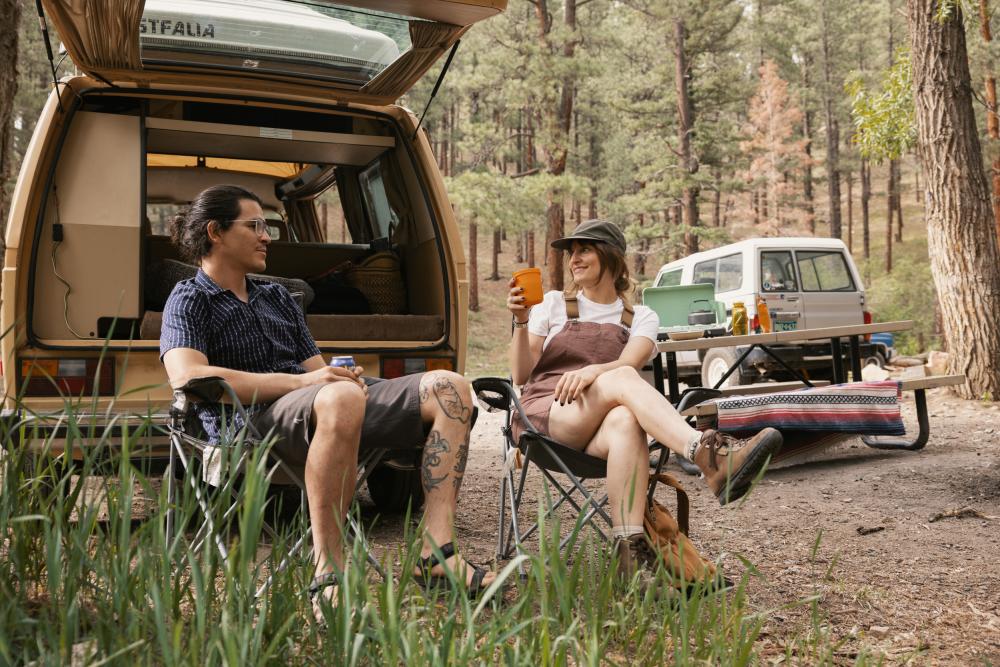
From Pecos Canyon State Park (the newest, which opened in 2021) to Bottomless Lakes State Park (the oldest, established in 1933), the parks system has a fishing hole, campsite, hiking trail, or night sky program for everyone.
As the state’s most popular park, Elephant Butte Lake State Park attracts more than a million visitors annually to this stunning desert oasis. “It’s the largest body of water that we have, when it’s not being impacted by drought,” Velásquez says. Filled with boats and a large, sandy shoreline, Elephant Butte has earned a reputation as “the beach” in New Mexico.
Tucked away in the state’s northeast corner, not far from where Texas and Oklahoma meet, Clayton Lake State Park and Dinosaur Trackways deliver a singular outdoor experience. Visitors can fish the lake for big walleye or trout, then check out more than 500 ancient footprints attributed to ornithopod dinosaurs from the Cretaceous period. “There was a flood, and when the flood went over the spillway, it took the topsoil,” Velásquez says. “And guess what? It left behind the bedrock with the dinosaur trackway and tail draggings that we can see.”
On New Mexico’s northern edge, Navajo Lake State Park serves more than 650,000 visitors a year as the state’s second-largest lake. The Navajo Lake Marina and the fly-fishing in the quality waters of the San Juan River below the dam are each worth the trip alone. “From houseboats to rental boats to everything that you can think of to do on a lake, it’s one of the best marinas you can find anywhere,” Velásquez says.

Because of the cool water released from Navajo Dam, the four-mile stretch of the San Juan River draws anglers from around the world seeking trophy rainbow and brown trout. Pitch a tent or park an RV at the picturesque campground overlooking the lake.
But an important aspect of enjoying New Mexico’s state parks is making sure they remain beautiful for future generations. Velásquez recommends three approaches to help: know before you go, recreate responsibly, and leave no trace. Planning ahead allows you to enjoy the parks responsibly and follow guidelines, which are often in place for visitor safety and to keep our public lands pristine. And when you head out, disposing of all trash properly helps keep the parks in good shape.
Following these guidelines has never been more important because the changing climate means the state parks must work harder to ensure visitors are safe. In recent years, prolonged drought has reduced state water levels, which impacts shorelines and fishing. Wildfire activity can also have a dramatic impact on park availability and restrictions. Yet, experiencing the state’s parks is the best way to understand their importance and need for protection.
“For New Mexicans and people who come to visit our state, the Land of Enchantment provides something that they didn’t even know they were missing,” Velásquez says. “Once you experience it, you want to go back, and it becomes part of who you are.”