Photographing New Mexico: Landscapes, Light, and Place
New Mexico's landscapes have inspired artists for generations, from Ansel Adams' iconic Moonrise, Hernandez, New Mexico, to photographers drawn by the state's remarkable light today. Across the state, shifting light transforms white gypsum dunes, sculpted badlands, mountain peaks, and river wetlands, creating dramatically different scenes from one destination to the next.
Iconic Photography Locations in New Mexico
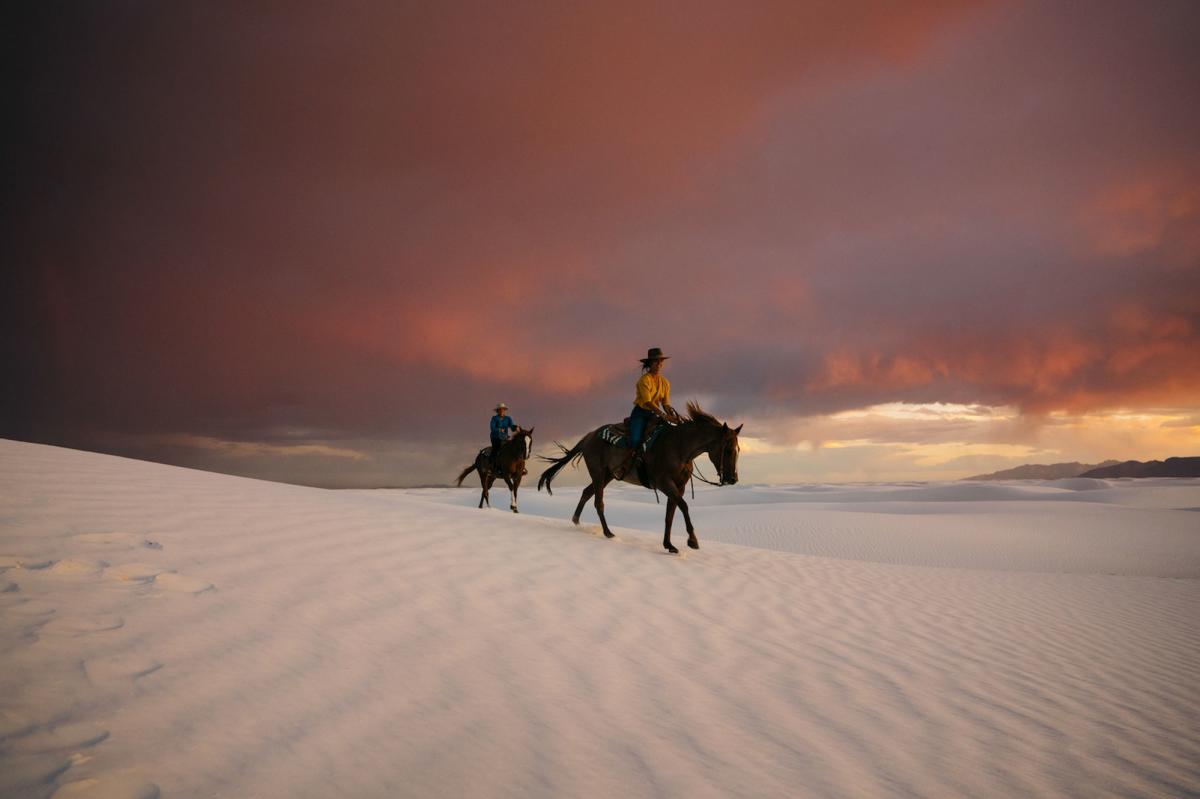
White Sands National Park is home to the world's largest gypsum dune field, where wind continually reshapes the landscape. The bright white dunes reflect light throughout the day, creating scenes that change from sunrise through sunset. An eight-mile scenic drive and five established hiking trails make it easy to explore different areas of the park. Check the park alerts before your visit, as temporary closures can occur during nearby missile testing and environmental factors.
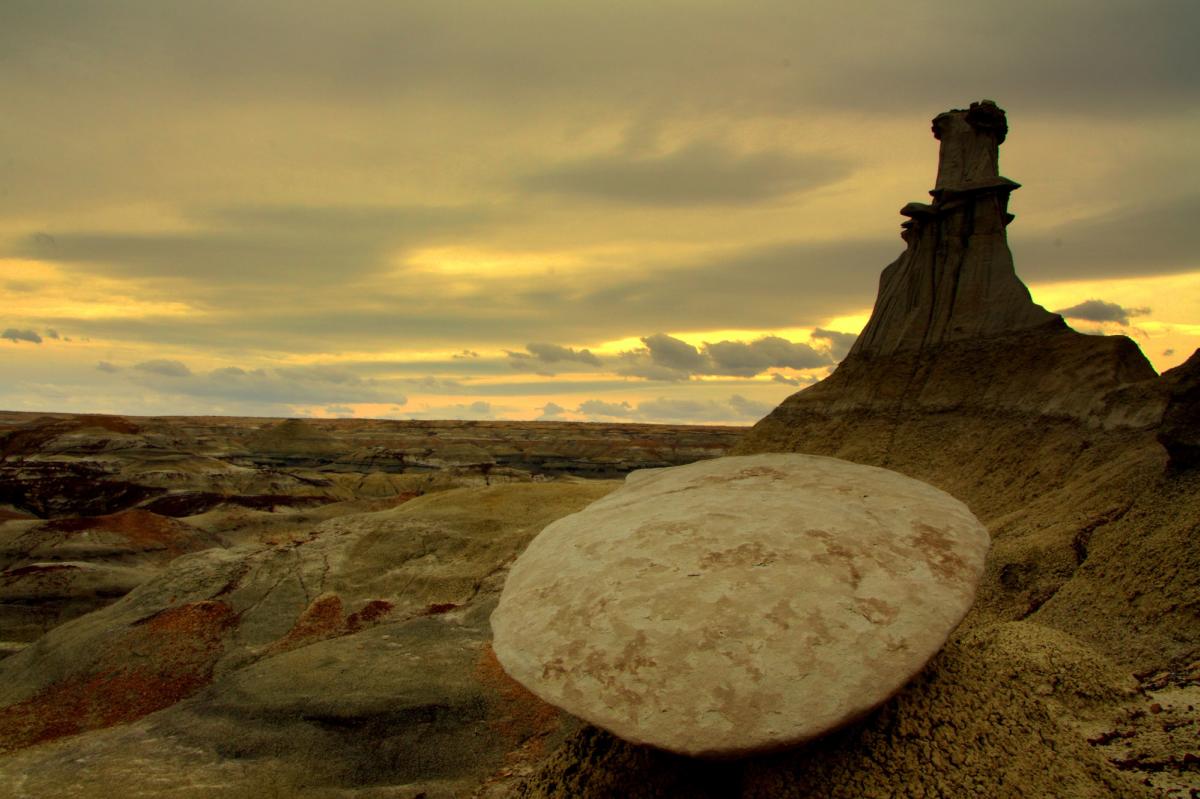
The Bisti Badlands / De-Na-Zin Wilderness offers a striking landscape of hoodoos, weathered rock formations, and fossil-rich badlands formed from the remnants of an ancient inland sea. Low-angle light at sunrise and sunset emphasizes the textures and shadows across the high desert. Much of the wilderness has no marked trails or reliable cell service, so hiring a guide, or carrying a map and GPS is recommended.
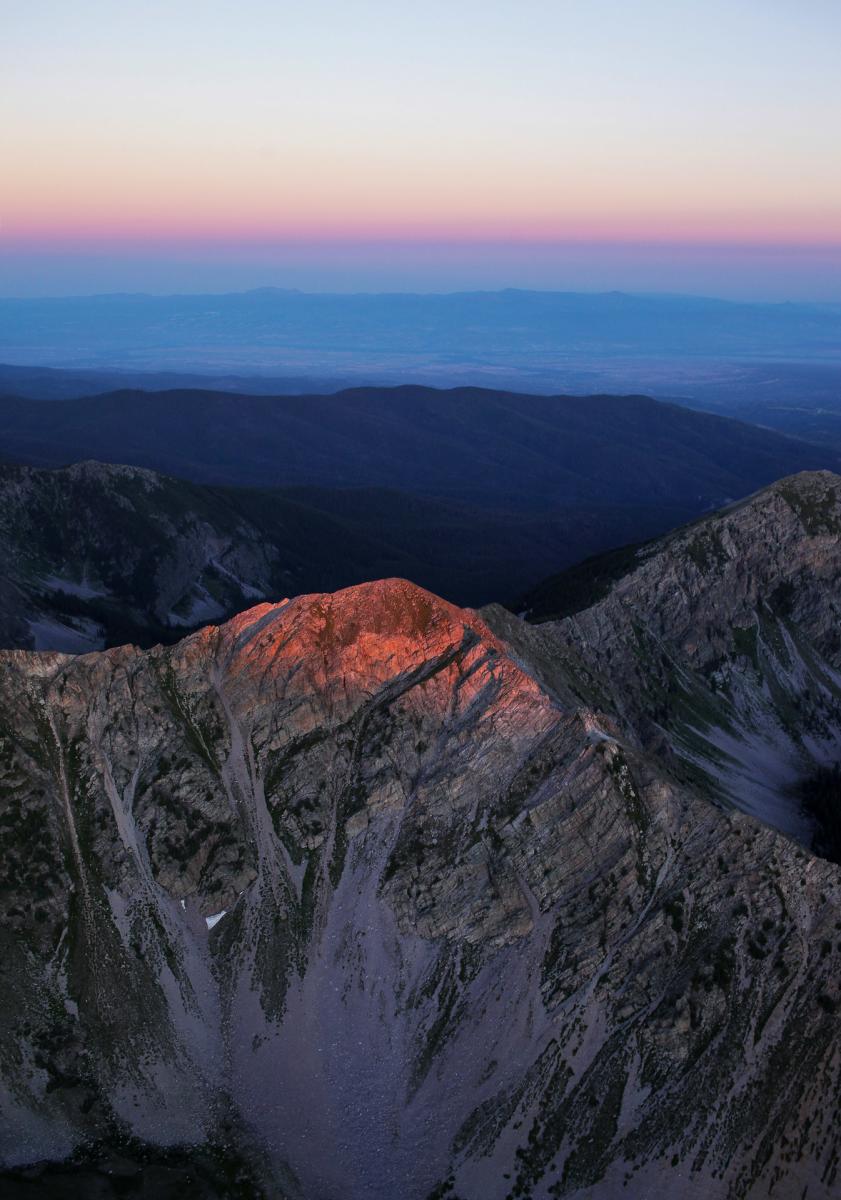
Near Albuquerque, the Sandia Mountains are known for the deep red glow that often appears across the granite peaks at sunset, giving the range its Spanish name, sandía, or "watermelon." Pullouts near the La Luz Trail offer wide views as the changing light moves across the mountains.
Wildlife and Seasonal Photography
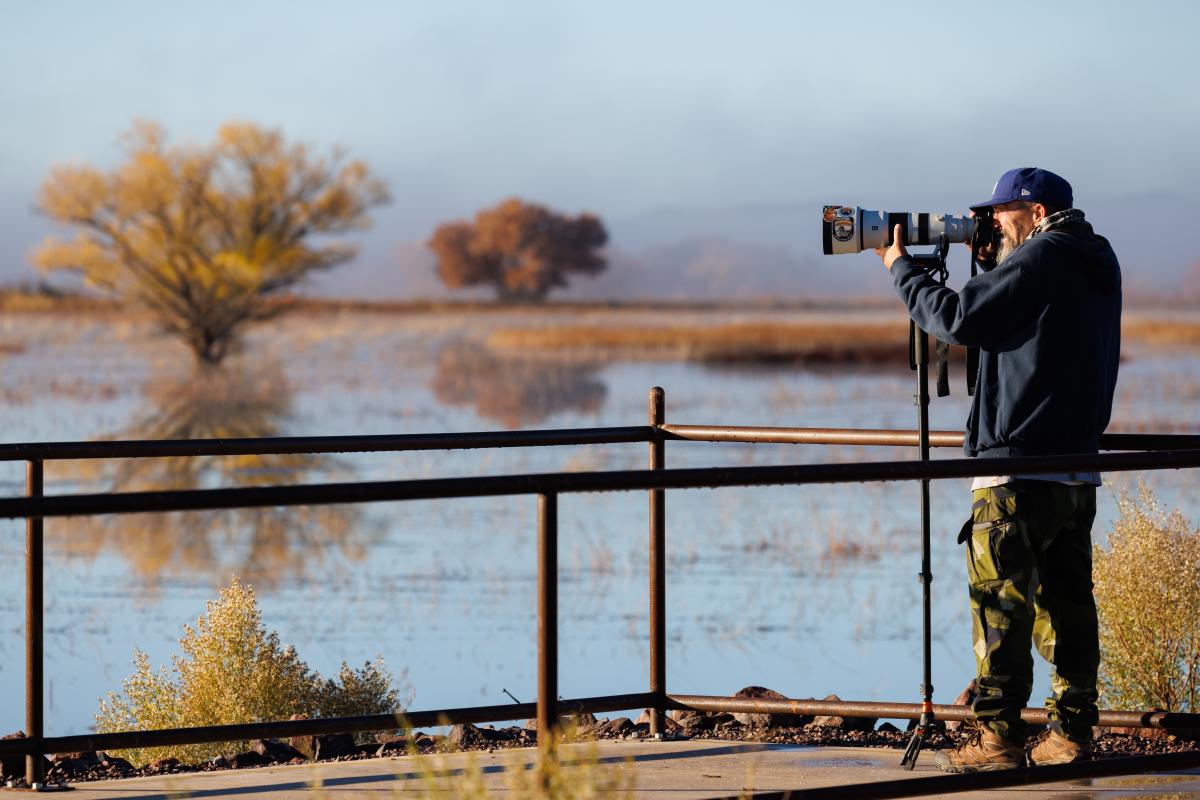
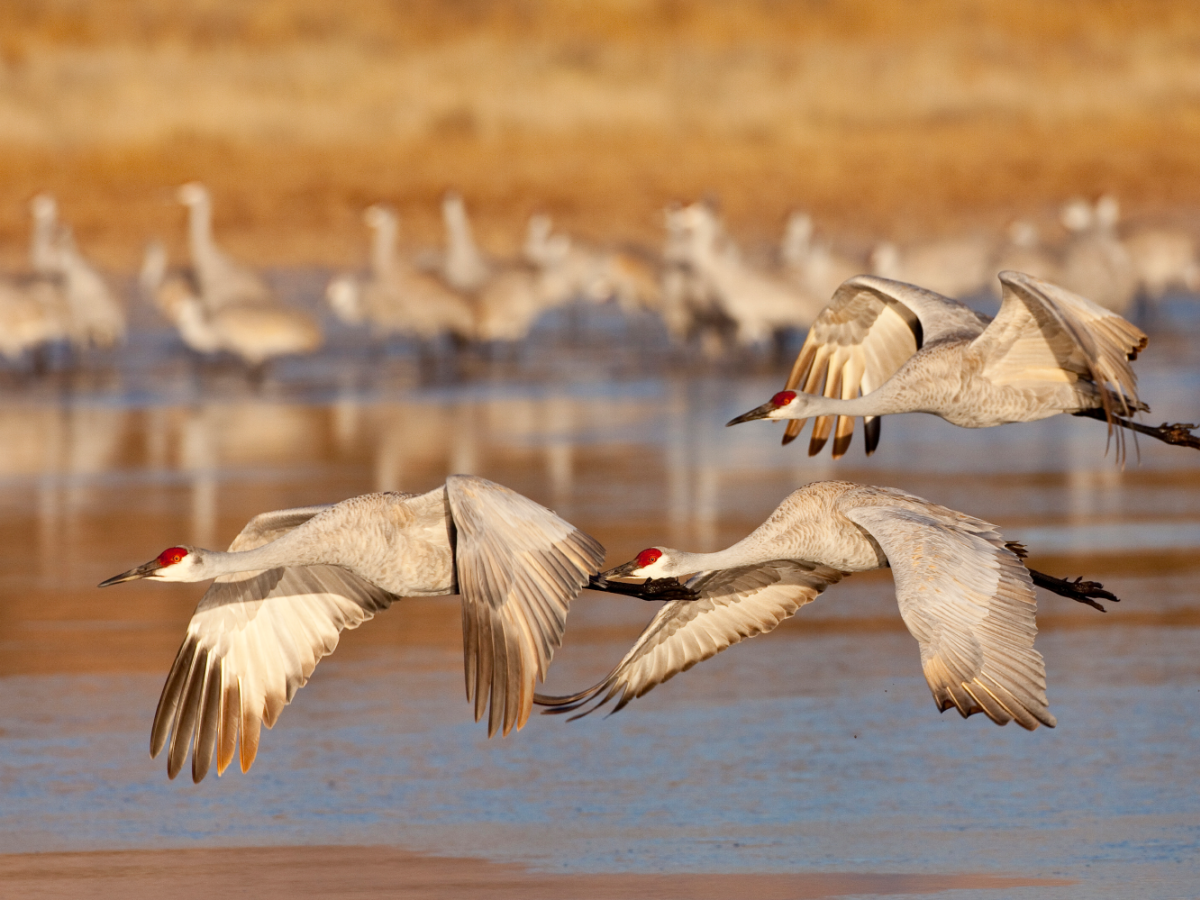
Each autumn and winter, Bosque del Apache National Wildlife Refuge becomes one of North America's premier destinations for wildlife photography and birding. Tens of thousands of sandhill cranes, snow geese, and other migratory birds gather in the refuge's wetlands along the Rio Grande. Early mornings and late afternoons are the best times to watch large flocks take flight. November's Festival of the Cranes adds guided tours, workshops, and educational programs for visitors.
Planning a Photography Trip
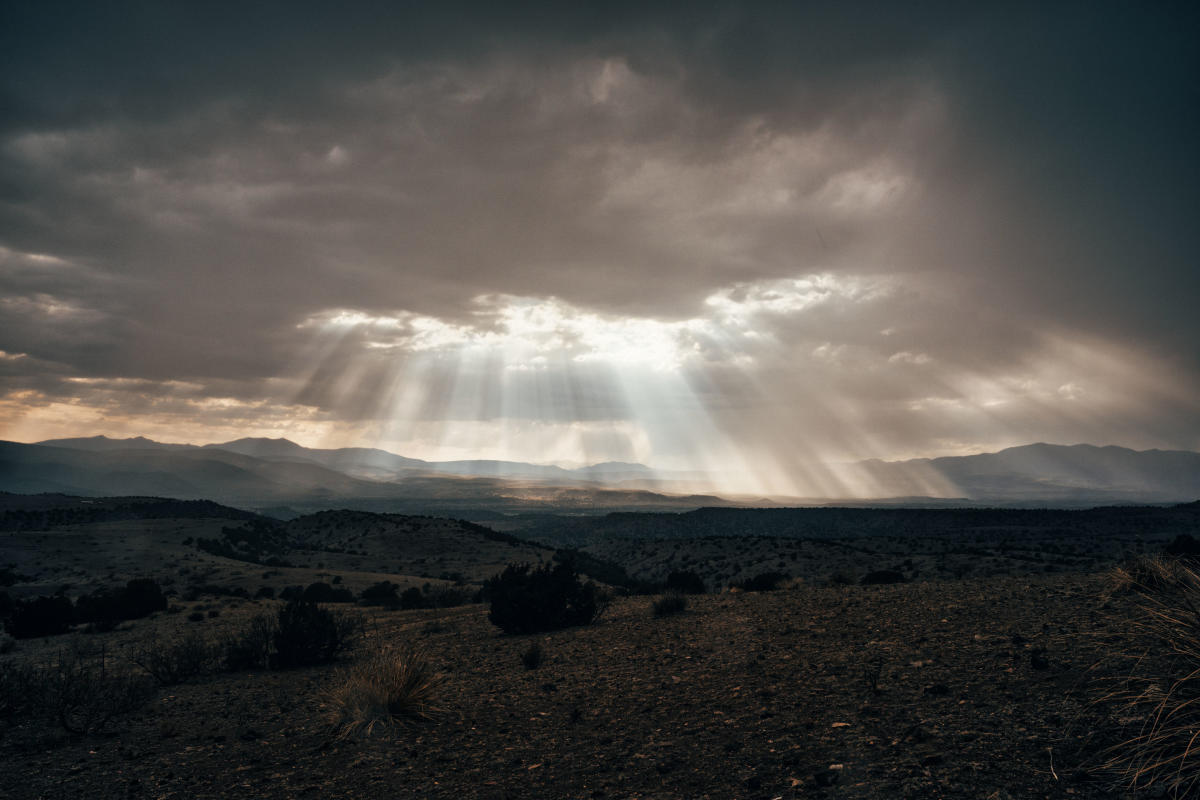
Sunrise and sunset often bring the most dramatic light across New Mexico's landscapes. Spring and fall generally offer comfortable temperatures for exploring many outdoor destinations, though conditions vary by elevation and region. Summer's monsoon season, which typically runs from June through September and provides much of the state's annual rainfall, can also create dramatic skies and vivid rainbows after afternoon storms. Check seasonal access, weather conditions, and park alerts before setting out, especially for remote wilderness areas or protected public lands.
Many of New Mexico's most photogenic destinations are connected by scenic byways, making it easy to experience several distinct landscapes in a single trip. Explore the state's scenic byways and outdoor adventures to discover more places shaped by New Mexico's remarkable light, wide-open landscapes, and changing seasons.
GHOST RANCH
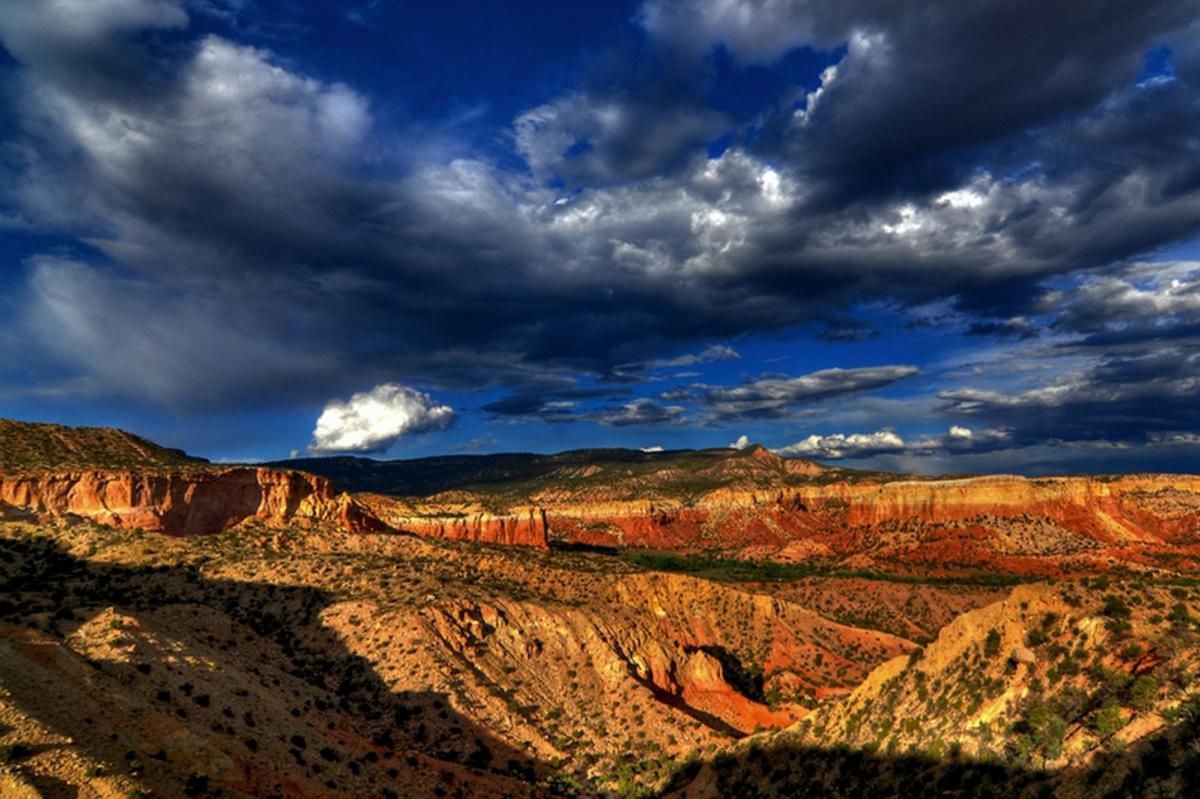
With the dramatic landscape of red and yellow cliffs, Ghost Ranch in Abiquiu, New Mexico, encompasses 21,000 acres of towering rock walls, vivid colors and vast skies. It boasts beautiful scenery, was home to Georgia O’Keeffe and has activities to suit any interest including hiking, horseback riding and kayaking among others.
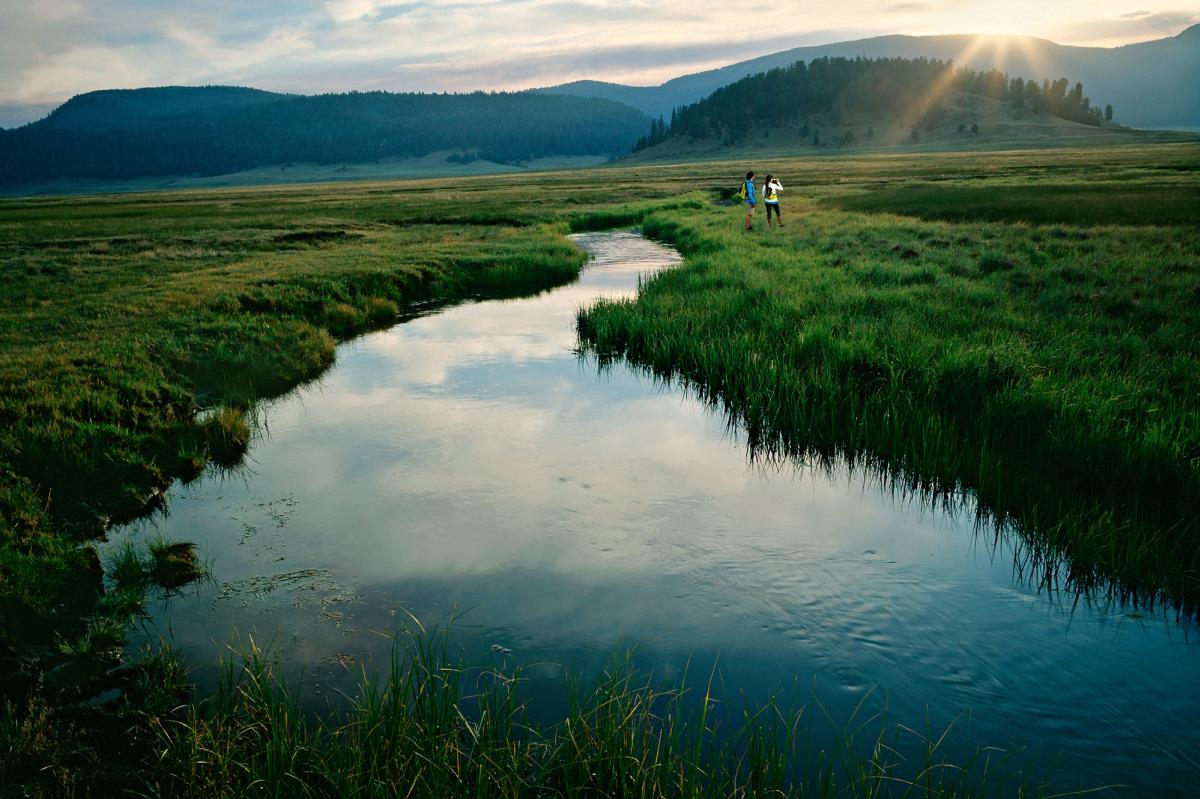
VALLES CALDERA
New Mexico’s Super Volcano! This 89,000 acre National Preserve is in the heart of one of three super volcanoes in the United States. Known for its expansive mountain valleys, large elk herds, and diverse history, the Preserve is a favorite among the locals and visitors alike.
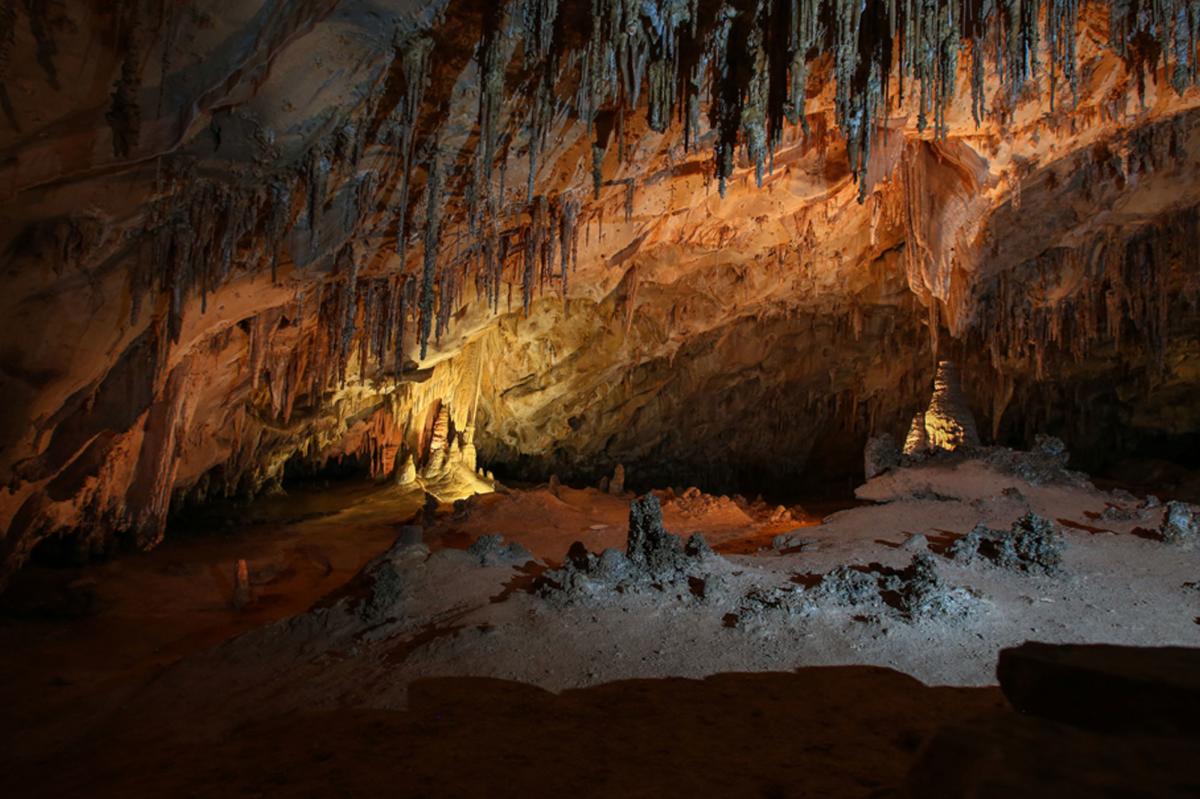
CARLSBAD CAVERNS
Secretly tucked below the desert terrain are more than 119 known caves - all formed when sulfuric acid dissolved the surrounding limestone.
WHITE SANDS
Awesome wave-like dunes of gypsum sand engulf 275 square miles of desert creating one of the world’s great natural wonders — the glistening white sands of New Mexico.
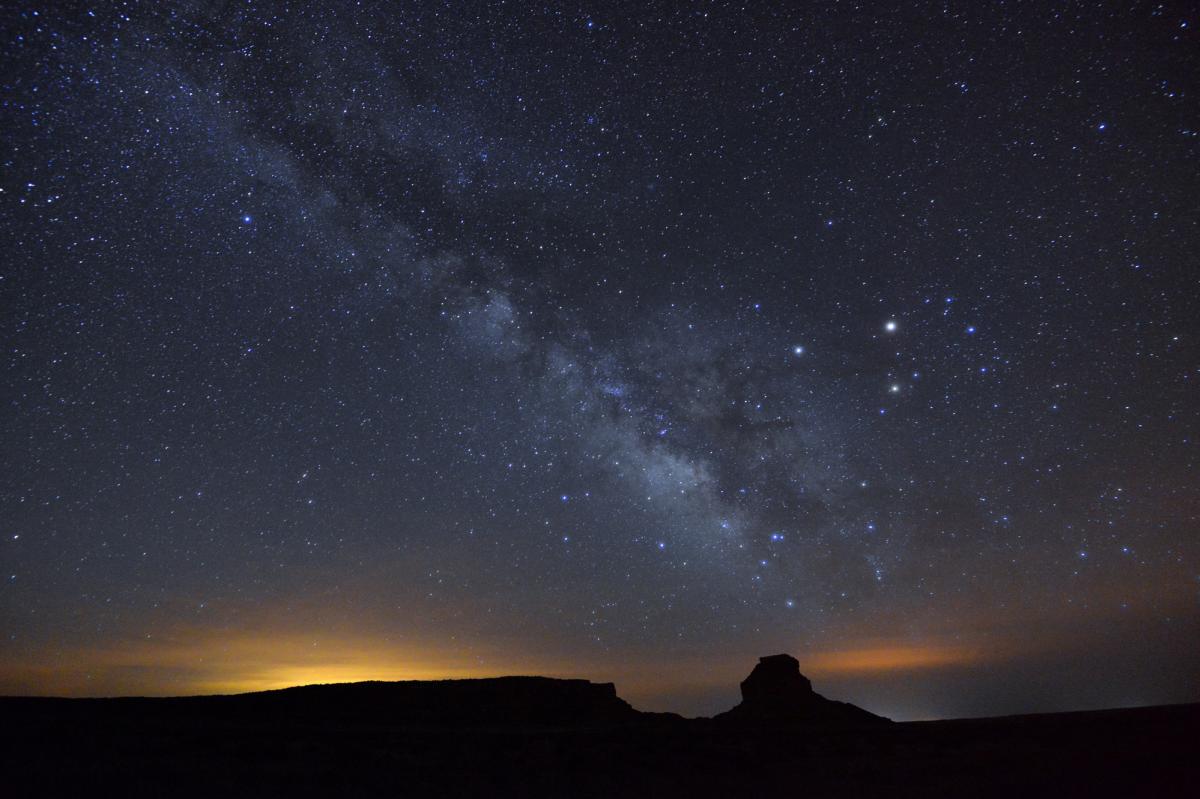
DARK SKIES
The darkness and clarity of the New Mexico sky is a special treat that is all too rare today. Have you ever seen the Andromeda Galaxy or the Great Nebula in Orion or the Beehive Star Cluster with your naked eye? Here, you can see these and more!
TAOS GORGE
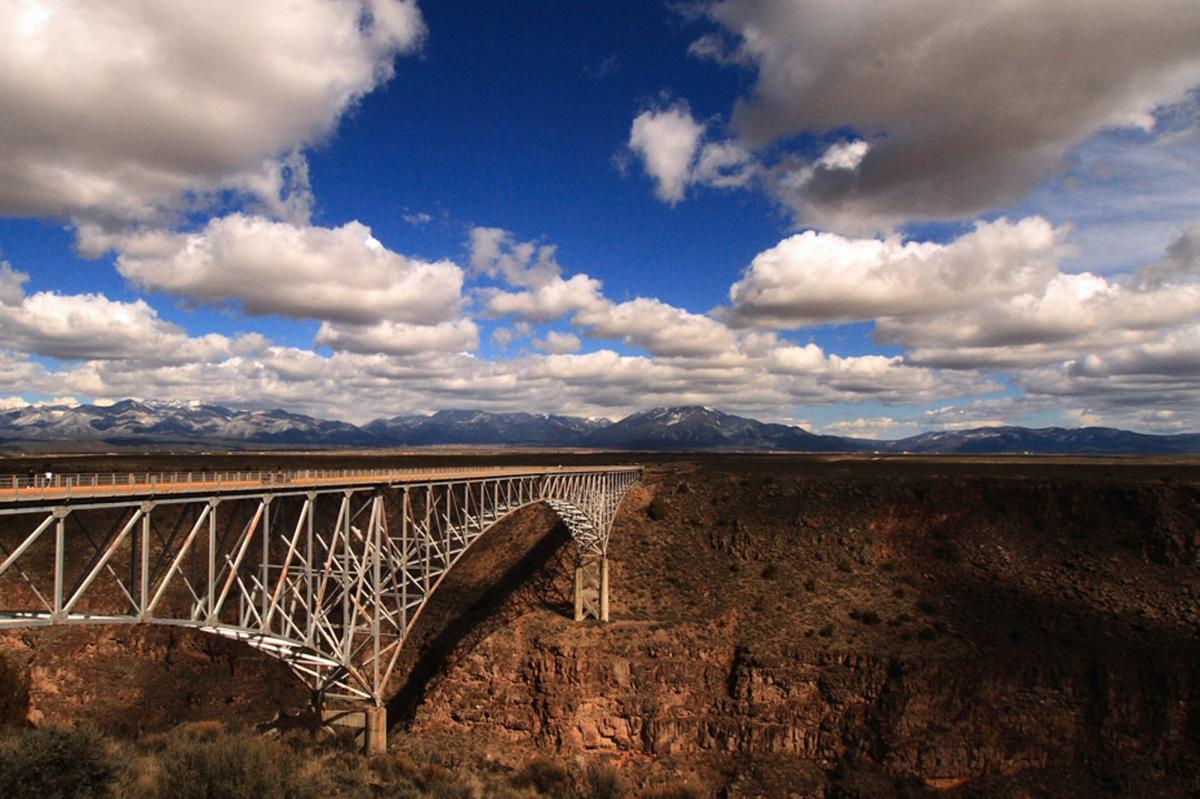
At 650 feet above the Rio Grande, the Taos Gorge Bridge is the fifth highest bridge in the United States. Stand overhead to capture magnificent photos of the Rio Grande, or raft through it for more adventure.
BLUE HOLE
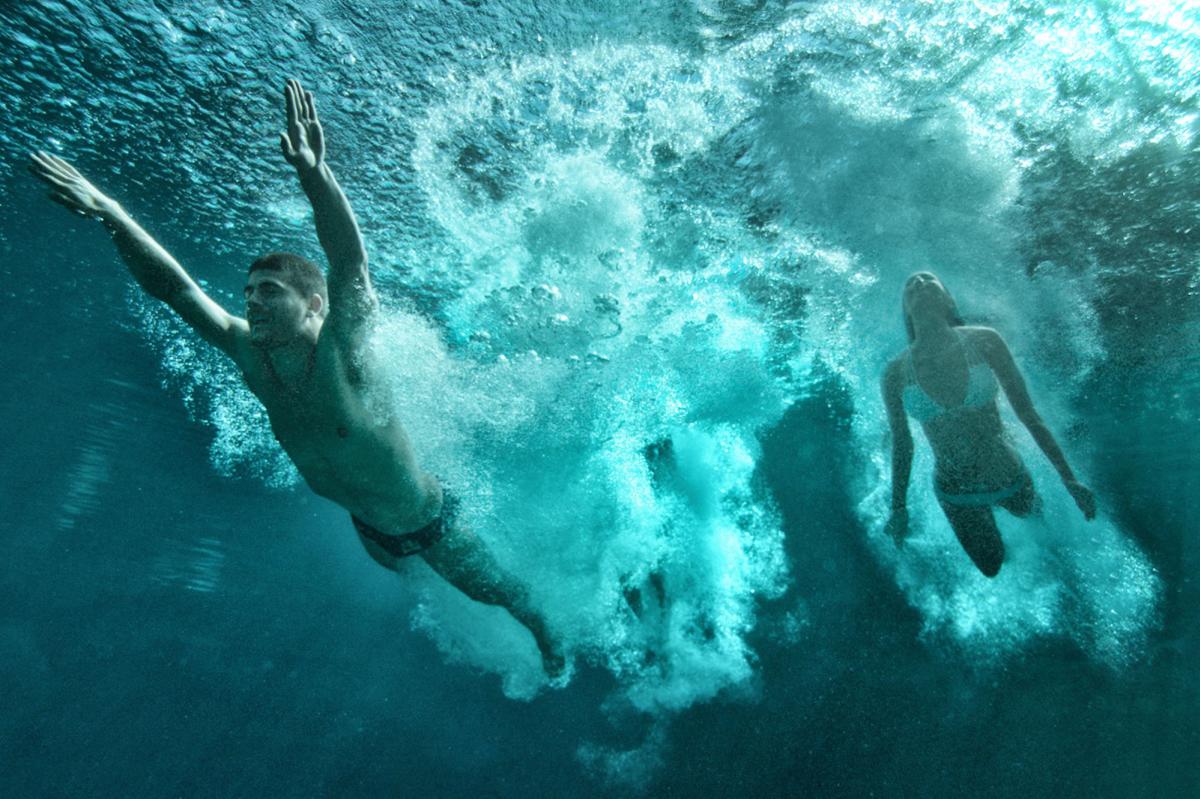
The Blue Hole in Santa Rosa, NM is a natural, bell-shaped pool that is 80 feet deep, has astonishing clarity and a constant water temperature of 61 degrees. This geological phenomenon makes Santa Rosa the scuba diving capitol of the southwest.
BRAZOS CLIFFS
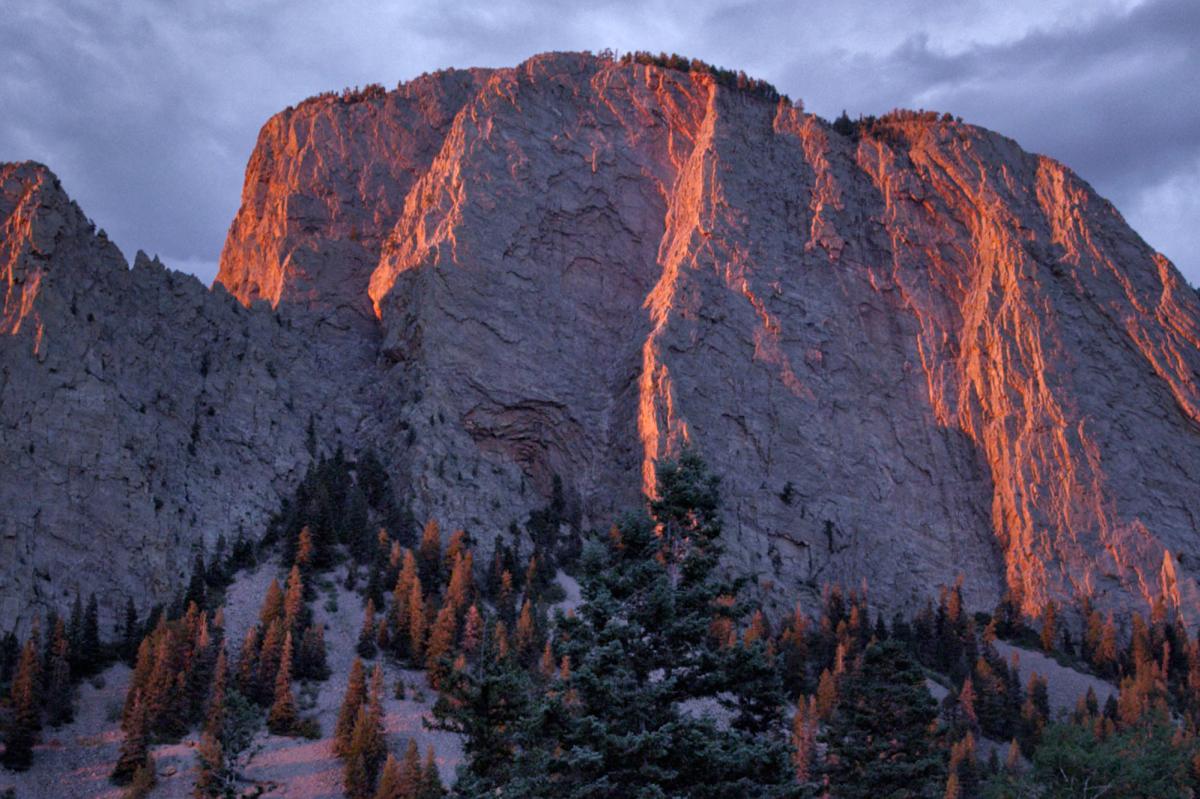
Rising over 2000’ above the Chama River, the sheer granite of the Brazos Cliffs is some of the oldest rock found in New Mexico. Catch this monolith at sunset for spectacular lighting!
BANDELIER
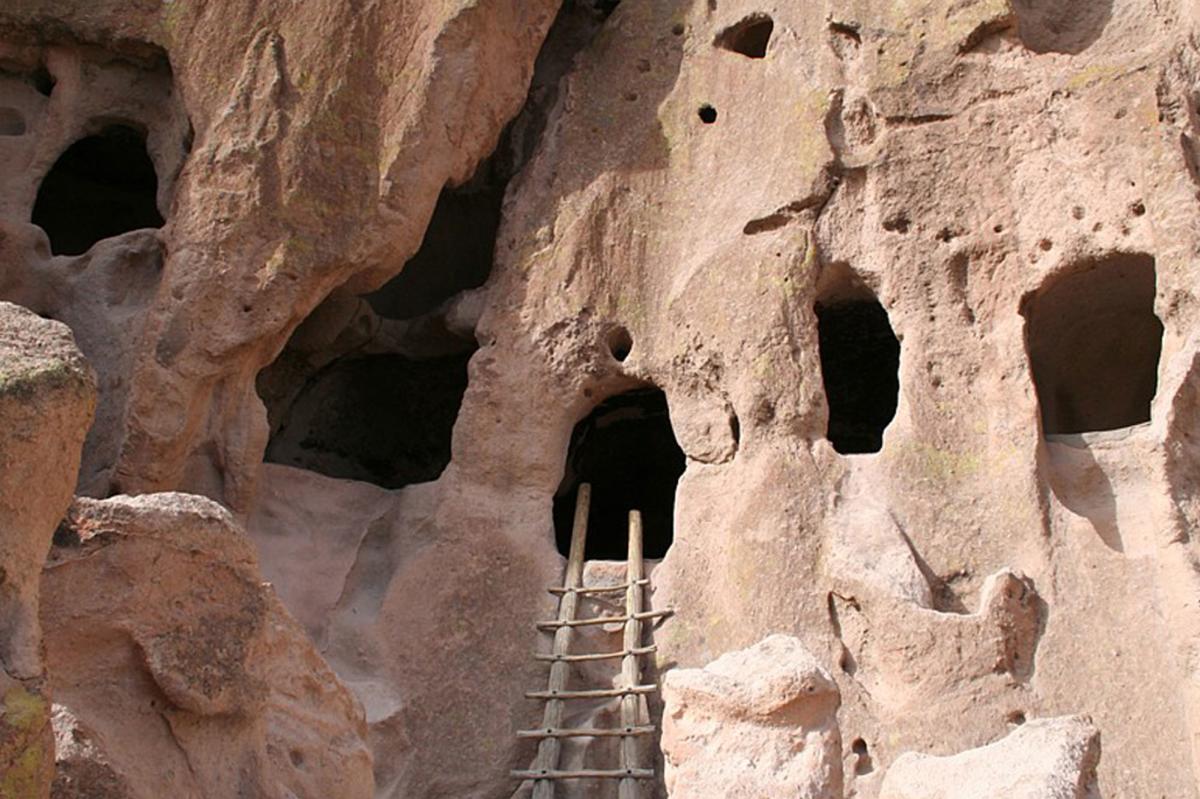
Bandelier National Monument spans 33,000 acres of ruggedly beautiful canyon and mesa country that contain some of the most unusual and interesting ancient ruins in the Southwest.
BOSQUE DEL APACHE
At this spectacular national wildlife refuge tens of thousands of birds — including sandhill cranes, Arctic geese, and many kinds of ducks — gather each autumn and stay through the winter. Try to capture a photo when they all erupt in flight then head for a hike or a picnic while taking in the sights.
SHIPROCK
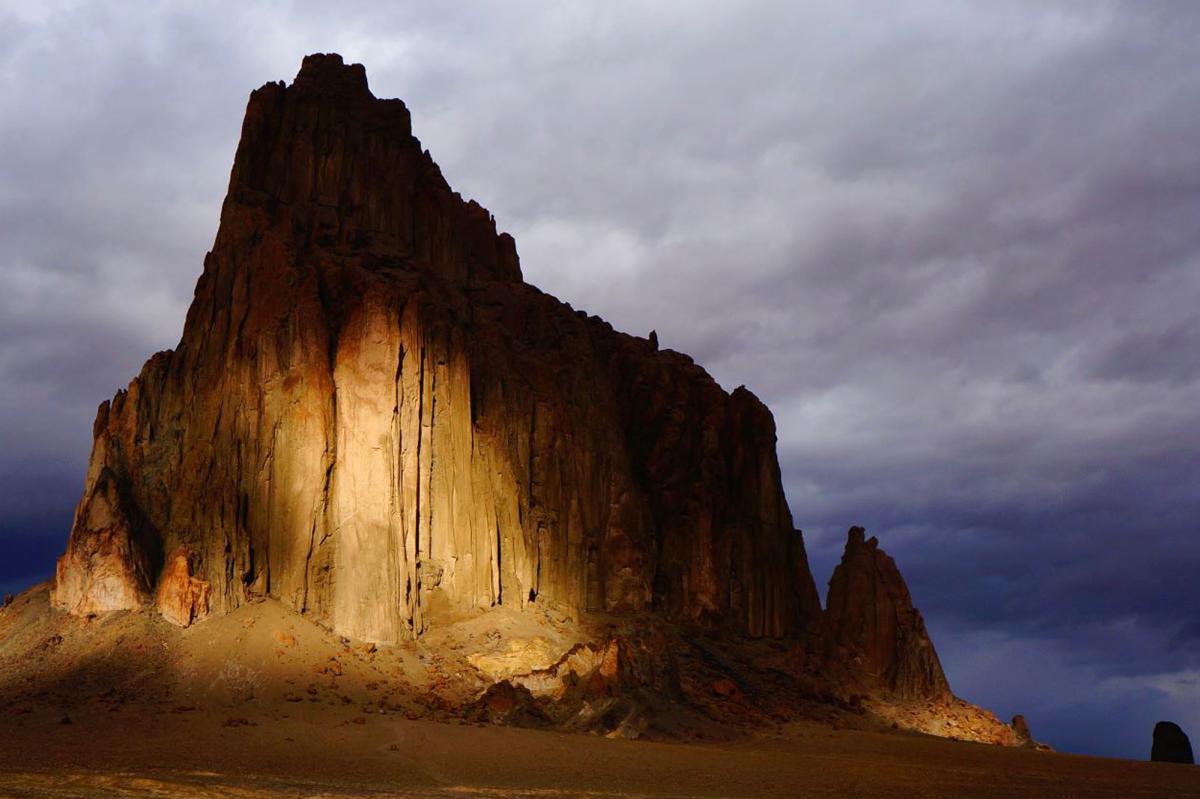
This magnificent landmark can be seen 50 miles in any direction. Shiprock, or Shiprock Peak, rises nearly 1,583 feet above the high-desert plain on the Navajo Nation in the Four Corners region of New Mexico. Shiprock is a sacred mountain to the Navajo people and point of interest for hikers, photographers and film producers. It is illegal to climb without a permit from the Navajo Nation.
GILA CLIFF DWELLINGS
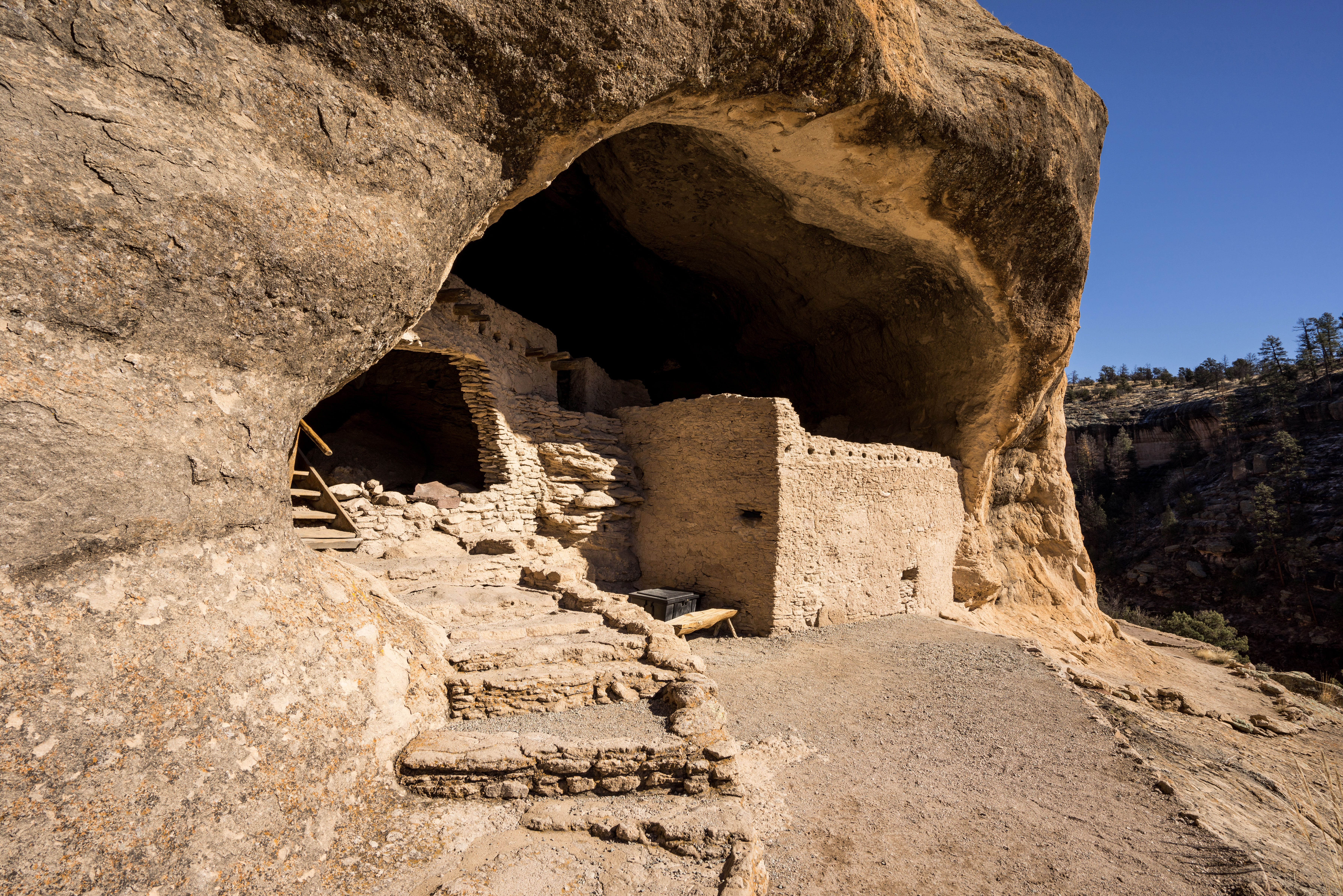
The Gila Cliff Dwellings National Monuments offers a glimpse of the homes and lives of the people of the Mogollon culture who lived there over 700 years ago. Their dwellings, built within five of the natural caves of Cliff Dweller Canyon or in the open, are accessible to the public.
BISTI BADLANDS
The Bisti Badlands / De Na Zin Wilderness Area was once a coastal swamp of an inland sea, home to many large trees, reptiles, dinosaurs and primitive mammals. Today the preserved record of this swamp offers some of the most unique scenery in the Four Corners region.